Visiting Nshenyi Cultural Village
Nshenyi cultural village is located in south western Uganda in Ntungamo District. This initiative is a vision of the future generation in Africa rooted in our ancestors and guided by humanity and open to all man kind seeking reality beyond landmarks. In the breathtaking views with undulating highlands of of Ntungamo District near the border of Rwanda and Tanzania under the gold painted skies by the soothing raising sun lies this amazing cultural Village of Nshenyi. It is a place where serenity and tradition meet identity.
The history of this place is not hidden in books or sacred places, instead it is lived, practised and exhibited through songs, cultural dances and crafts and also unanimously shared day in day out through cultural rites and folk tales. The gist of the tradition can be heard and tasted in the scent of preparing millet flour for a meal when making milled bread over the three fire stones with wood. In the aroma of smoked meat and in the hands of hospitality from the villagers who treat every visitor not as a mere intruder but as a family member.
History whispers through the hills
According to history, this is the very point where the former president of the republic of Uganda Idi Amin Dada once staged, “says Moses Siyabyona, the general manager/ chairperson, was witnessed waving at people during his guided nature walk when he publically declared Kagera region as part of Uganda which was part of Tanzania.”
This narrative from Moses Siyabyona, is one of the dramatic transitions in the history of the entire East African Region. After this, in 1978 Amin order the Ugandan troops to invade and storm Tanzania to grab this part, which led to total chaos. This chaos was followed by total violence, reports of looting property and severe damage on infrastructures. However, through precision and decisiveness of the Tanzanian army, Tanzania Peoples Defence Force was equal to the challenge under the command of Maj General Musunguri David. They were backed by most Ugandans in exile and liberation fighters such as Kikosi Malum and Fronasa that launched a counter-offensive attack.
Eventually, on 11th April 1979, Idi Amin’s regime was overthrown, after he vanished in a helicopter over Soroti, and continued to Libya and finally to the United Arab Emirates, where he lived in exile for the rest of his days.
Currently, once the contested border is nolonger is a point of concern and conflict, but a passage way of cultural harmony. To many, the past may be a little painful, but it enhances a renewed commitment and bond to unity, a virtue that Nshenyi incorporates in every path.
A village shaped by Ubuntu
The guiding beginning of Nshenyi is Ubuntu, a philosophical discourse that means “I am because we are.” It’s not a mere phrase but beyond a principle; it’s a lifestyle engraved into every interaction and attachment made there. “Here, rooted in our ancestors, any visitor who arrives by mealtime is handed a basin to wash hands and eventually invited to eat; no invitation questions are asked,” says Siyabyona. “Food is not given out, but instead it is shared.
Moreover, the joy of a newborn baby or a wedded couple is combined, and grief is mutual.” Take a walk through the community, and many of these values will emerge before your eyes; you will even see elders training and teaching young ones to tend cattle and neighbours giving a hand to one another, such as during construction, harvesting, thatching roofs, and offering milk to visitors and obushera (millet porridge) with real warmth.
This means that ‘welcome here’ is not an industry. It’s a tendency. It also allows visitors to participate in activities that defined the identity of the Ankole people or southwestern communities, such as cattle raising, milking, and ghee-making, among others.
Nshenyi’s Heritage
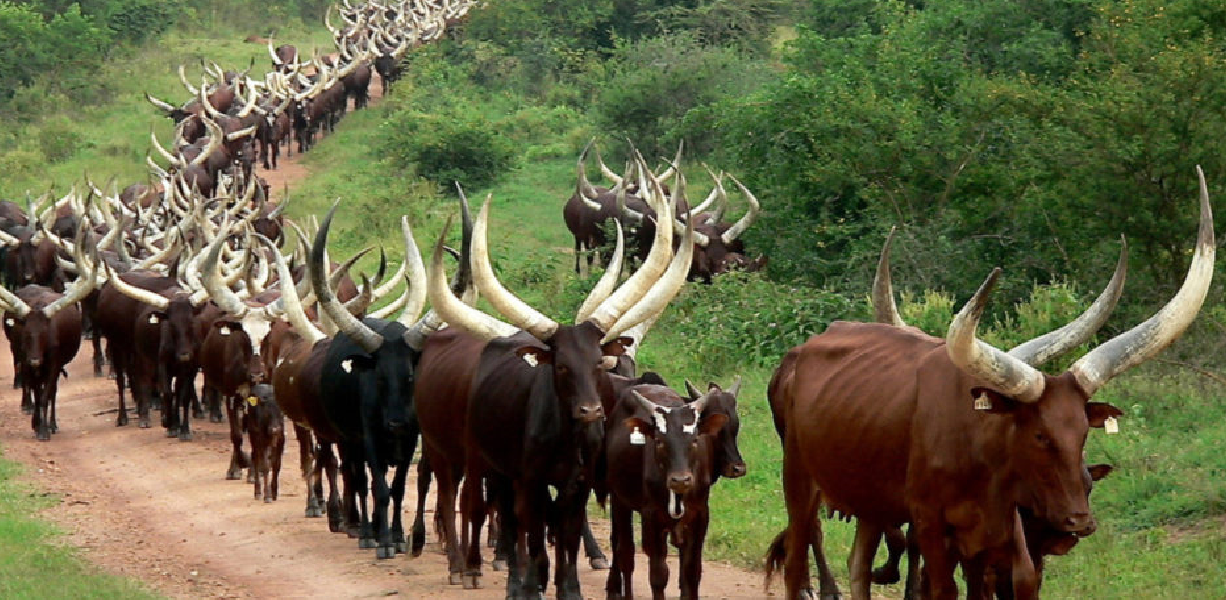
Nshenyi Village experience is not a staged tourist attraction, instead it is an open-air classroom of heritage. Visitors immerse themselves in activities that shaped the identity of Uganda’s southwestern communities 500 years under the Karagwe Kingdom. You can herd the long horned Ankole cows, milk them at dawn, or learn to prepare eshabwe (a ghee-based delicacy) grind millet and bake it to bread using age-old techniques.
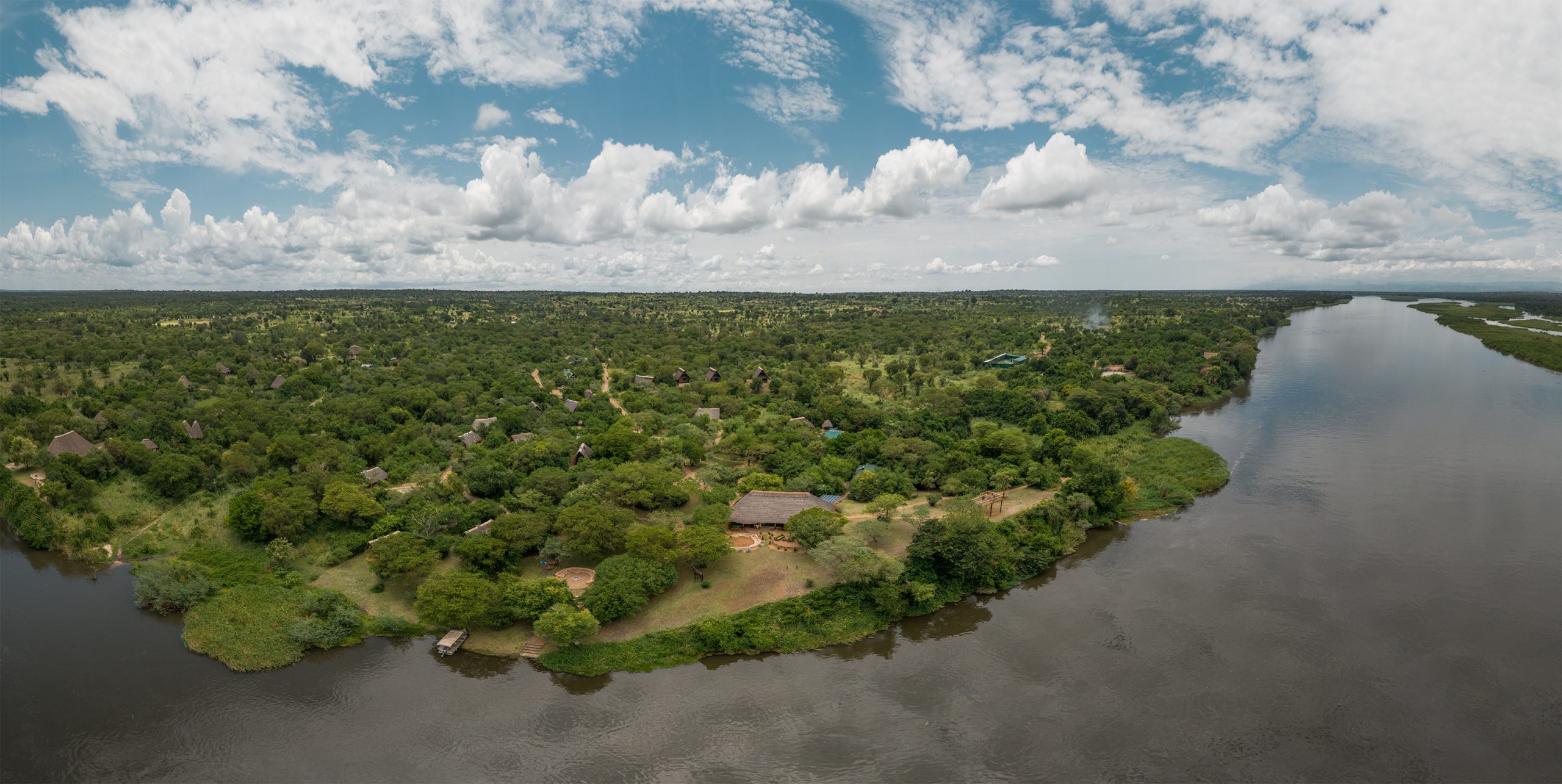
You can try cooking matooke over firewood or even join in the music and dance sessions under the stars. A night in one of the 16 self-contained guest huts merge rustic elegance with cultural authenticity. Some are adorned with murals chronicling human evolution – from hunter-gatherers to the pastoralists of today’s mixed farmers. There’s no Wi-Fi, but here, connection means something else.
Culture meets sustainability
Nshenyi’s commitment to heritage extends to the environment. Guests are encouraged to plant trees during their visit, not for show but as a living legacy. “When a visitor plants a tree, they leave behind a part of themselves,” says Siyabyona. “It’s our way of linking cultural preservation with environmental responsibility.” The village runs on principles of sustainable tourism. Waste is minimised, food is locally sourced, and traditional construction techniques are favoured over modern interventions. Tourists not only see but also actively get part in the community’s journey for a
better future.
Top Experiences at Nshenyi Cultural Village
Visitors who may stay for more nights, Nshenyi Cultural Village offers opportunities to give back. Guests often volunteer in local schools, help with livestock management, or teach agricultural skills. It’s a two-way exchange of knowledge and values. “This is not poverty tourism,” Siyabyona is quick to clarify. “It’s community development through shared experience. Visitors come here to learn, and in return, they teach – and everyone grows.”
Farm-to-Table Culinary Experiences
Food at Nshenyi is a celebration of ancestry and abundance. Meals are served on shared platters – reinforcing the communal spirit. The first banana in every dish is placed upright, a ritual believed to multiply blessings and ensure no one goes hungry. Dishes include roasted goat, eshabwe, millet porridge, fresh milk, thick millet bread, and fruit juices – all prepared using traditional methods. The experience isn’t just culinary. It’s traditional, spiritual, and rooted in humanity.
The Batwa and pottery experience
Besides, Nshenyi Cultural Village collaborates with the Batwa community, the forest custodians, and indigenous people who once lived in the dense tropical rainforests of Bwindi and Mgahinga in southwestern Uganda. Having been evicted from their ancestral homeland decades ago, the Batwa have found a new footing here, not as relics of a bygone era, but as keepers of priceless indigenous knowledge.
Visitors can watch them demonstrate archery, medicinal herb use, and spiritual rituals once performed deep in the forest. Their staunch belief in Bihego, whom they considered the god of the forest, and their ceremonies reveal a spiritual bond between humans, land, and the divine. “We used herbs to treat everything – headaches, infections, even snake bites,” says one Batwa elder with quiet pride. “That knowledge still lives, and we’re proud to share it.”
Meet the Famous Ankole Long-Horned Cattle
One of Nshenyi’s signature experiences is interacting with the iconic Ankole cattle, renowned for their impressive long horns. Visitors can watch or participate in traditional milking, learn about cattle management, and understand the cultural importance of livestock in Banyankole society. For generations, cattle have symbolized wealth, identity, and social status within the community.
Traditional Dance and Cultural Performances
Visitors are entertained by energetic Banyankole music, dance, and storytelling performances. Traditional dances such as Ekitaguriro celebrate the elegance of the Ankole cattle through graceful movements and rhythmic music. These performances preserve cultural heritage while providing visitors with a memorable and interactive experience.
Explore Traditional Homesteads
Guided homestead tours allow visitors to explore traditional Banyankole homes and learn about family life, architecture, farming tools, food storage, and local customs. These tours offer valuable insight into how rural communities have preserved their traditions while adapting to modern life.
Nature Walks and Bird Watching
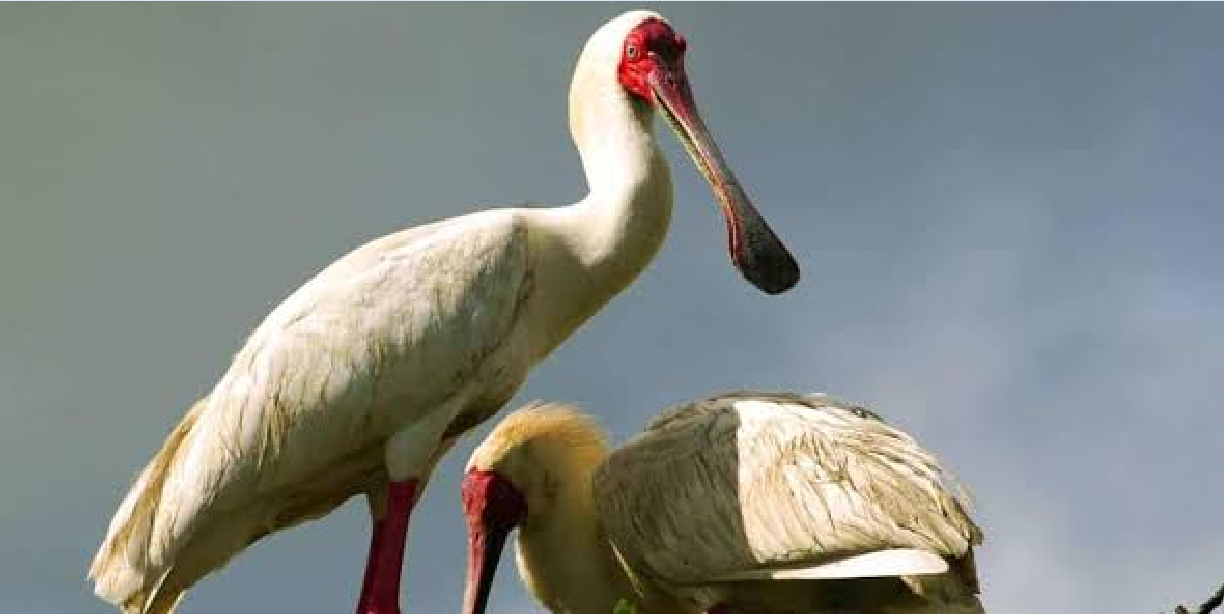
The surrounding countryside offers excellent opportunities for guided nature walks through rolling hills, wetlands, and farmland. Bird enthusiasts can observe numerous species while enjoying peaceful walks through one of Uganda’s scenic rural landscapes. Tree-planting initiatives also allow visitors to contribute to environmental conservation.
Why visit Nshenyi Cultural Village?
Experience Authentic Banyankole Culture
The biggest attraction at Nshenyi is the opportunity to experience authentic Banyankole traditions. Rather than observing culture from a distance, visitors become active participants in daily village life. Guests learn about local customs, food preparation, cattle keeping, farming practices, storytelling, and family traditions that continue to define the community today.
Discover Uganda’s Agro-Tourism
Nshenyi is recognized as one of Uganda’s leading agro-tourism destinations. Visitors can explore working farms, banana plantations, and grazing fields while learning how traditional and modern farming practices coexist. The experience provides valuable insight into the agricultural lifestyle that supports many rural communities in southwestern Uganda.
Support Community-Based Tourism
Tourism at Nshenyi directly benefits the local community. Local guides, performers, artisans, farmers, and accommodation providers all participate in delivering authentic experiences. By visiting the village, travelers contribute to cultural preservation, rural livelihoods, and sustainable tourism development.
Enjoy Peace and Nature
Away from busy cities, Nshenyi offers visitors a tranquil environment surrounded by beautiful landscapes. Birdsong, fresh air, scenic walking trails, and panoramic views make it an ideal destination for relaxation while reconnecting with nature.
Best Time to Visit Nshenyi Cultural Village
Nshenyi Cultural Village welcomes visitors throughout the year. However, the dry seasons, which generally occur from June to August and December to February, are considered the best times to visit. During these months, roads are easier to travel, outdoor activities are more enjoyable, and nature walks can be completed comfortably.
The rainy seasons, usually between March and May and September and November, transform the countryside into a lush green landscape. Although occasional showers may occur, photography enthusiasts often appreciate the vibrant scenery during these months.
Travelers interested in traditional dance performances or cultural festivals are encouraged to contact the village in advance to confirm activity schedules and accommodation availability.
What to know before you visit Nshenyi Cultural Village
To make the most of your trip, consider staying overnight to fully experience the village’s hospitality and activities. Comfortable walking shoes are recommended for farm tours and nature walks, while a camera is essential for capturing the spectacular scenery and iconic Ankole cattle. Booking your visit in advance also helps ensure access to guided experiences and cultural performances. Book your adventure with Ganda Cultural Expeditions for a memorable experience.